Your guide to living a healthy life with MS
  • Home
  • About me
  • Lifestyle and MS
    • What is MS? >
      • Types of MS
      • What causes MS?
      • Symptoms of MS
      • How is MS diagnosed?
      • How is MS treated?
    • Stress and MS
    • Smoking and MS
    • Healthy weight >
      • What is a healthy weight for me?
    • Alcohol and MS
    • Sleep and MS >
      • Sleep hygiene tips from the MS Trust
    • Importance of hydration
  • Keeping active
    • Latest MS-specific physical activity guidelines
    • Benefits of exercise >
      • UK Physical Activity Guidelines
    • Components of physical fitness
    • What sort of 'exercise'?
    • Exercise for managing symptoms
    • Exercise and relapse
    • Tips for exercising with MS
  • Diet
    • What is a healthy diet? >
      • 7 tips for a balanced diet
      • What is a portion?
      • 5 tips from the MS Society
      • Diet to reduce risk of further diseases
    • The diet debate in MS >
      • 'Best Bet' diet
      • Overcoming MS (OMS)
      • SWANK
      • Wahls protocol
    • Diet to manage symptoms
    • Dietary supplements >
      • Vitamin D
      • Vitamin B12
      • Essential Fatty Acids
    • Tips for cooking with MS
  • Blog
    • Blog posts (PDF)
  • Contact
    • Useful resources

What's the big deal about hydration?

19/10/2017

4 Comments

 
Water is essential to maintain life
and health. At birth the human
body is made up of around 70%
water which decreases with age; in
the elderly water comprises around
55%. The balance also differs
between the sexes with males generally holding more water, and females holding
more body fat. Water has functions both within and outside of the body's cells
providing a host-environment to maintain vital chemical processes.
To remain adequately hydrated - and to prevent dehydration - it is important that
water lost through essential bodily processes including breathing, sweating and
urination, is replaced. The frequently cited first signs of dehydration are a feeling
of thirst and a dry, sticky mouth; but by the time the body had noticed a reduction
in water, processed the deficit and sensed the need to respond with a 'feeling of
thirst' response the body is already dehydrated.
Other symptoms of dehydration include:
  • feeling lightheaded
  • headache
  • lack of energy
  • dark coloured urine
  • poor concentration
Picture
​
Water plays a key role in vital processes within the body, including:
  • formation and maintenance of blood plasma, tissue fluids and lymph
  • effective passage of substrates into and out of cells (including circulation of
  • nutrients via the blood and removal of waste)
  • providing a suitable environment for chemical cellular processes
  • provides lubrication to our joints and protection for our organs
  • transportation and filtration of waste products for excretion
  • maintenance of consistent body temperature and subsequent a cooling
function through sweating
​

How can dehydration affect my symptoms?
One of the first pieces of advice my neurologist gave me was to make sure I made
a point of staying hydrated, especially when exercising.  When I did some digging
around the research on this I realised how valuable it was. Dehydration had been
shown to make many of our MS symptoms worse, notably:

Fatigue

Much of the recent research on fatigue has looked at hydration status; not an
unexpected jump given that in people without MS a small drop in hydration can
bring on tiredness and confusion. This work is still ongoing but it seems it could
be a promising part of the fatigue-puzzle,

​Urinary tract infections (UTI)

We know that some medications used to treat MS can irritate the bladder and
cause UTIs; but UTIs and bladder difficulties are a symptom and complication of
MS themselves. Some people with MS (PwMS) choose to limit their fluid intake to
try to avoid bladder difficulties, but this in itself can lead to development of UTIs
and subsequent dehydration.

Constipation
Adequate fluid intake is important to help to prevent constipation and bowel
difficulties; constipation has been shown - in some cases - to affect spasm and
spasticity and also aggravate bladder symptoms although specific mechanisms
remain unclear.

Heat-related exacerbations (Uhthoff's phenomenon)
Heat (and in some cases cold) has been shown to being about a temporary
worsening of symptoms; adequate hydration can help to maintain a consistent
body temperature to help to manage this.

How much fluid do I need?
The amount of fluid required depends on various external/environmental factors,
including:
  • Environmental temperature
  • Body temperature
  • Humidity
  • Physical activity
  • Respiration rate

In the UK, drinks provide around 70-80% of our water needs with the remaining 20-30%
coming from foods such as soup, fruits and vegetables,
The guideline amount of fluid to consume per day for adults and the elderly is
2,000ml for males and 1,600ml for females. Guidelines for pregnant and lactating
women are slightly different (BDA, 2017). If you are interested in the guidelines
for children and infants drop me a note and I can send on separately.
​
Water helps to regulate body temperature which can be important when
exercising with MS. It is important to increase fluid intake whilst exercising in
order to replace fluid lost through increased respiration and sweating.

Picture

​Common household
measures include:

1 medium sized glass = c.200ml
1 can of fizzy drink = 330ml
1 mug = c.250ml
1 cup = c.200ml

​What types of fluid count?
Ultimately the type of fluid you consume is up to
you, however water (either tap, filtered or
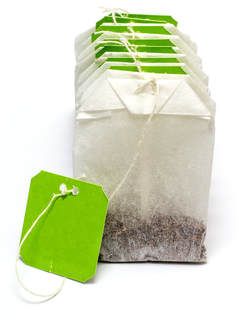
bottled) is a healthy option. Tea and coffee
count too and can be a useful way of helping
elderly family and friends to drink more, but be
mindful of the caffeine content. Fizzy drinks
contain a lot of sugar as do fruit juices so should
be limited. Fizzy drinks can contain a lot of
chemicals, sweeteners and sugar which make
them a less-healthy option; they also contain
caffeine which can prove dehydrating and
counteract any benefit of fluid intake.
Picture

How can I tell if I'm drinking enough?
It can be tricky to know how hydrated you are; generally as soon as you feel the
first symptoms of dehydration (ie thirst and dry, sticky mouth) you will find a drink
which makes you feel better but you will generally stop drinking before you are
fully re-hydrated. The colour of your urine is the best indicator; if you are drinking
enough your urine should be straw-coloured or pale yellow in appearance.

Some lifestyle factors can affect how much fluid
you need...

Regardless of your fluid intake, some additional lifestyle factors can complicate
the body's absorption and use of water and bring about dehydration, Some of
these can include:
  • caffeine
  • salt
  • sugar
  • alcohol
Caffeine (often found in fizzy drinks and coffee) and alcohol can both irritate the
bladder and affect symptoms which can further impact dehydration.

​
Picture

Some practical tips to
increase your fluid
intake

My husband calls me a camel (a bit rude
I feel) as I carry water everywhere; in my
handbag, in the car, gym bag etc and I
drink a lot of water. I suppose I'm lucky
as I don't dislike the taste of plain water, but said husband finds it 'boring' and
prefers it with some flavour.

Some easy/fun ways I've found to make it more interesting include:
  • sliced fruit in a big jug in the fridge topped up with water. Favourites are:
  • sliced lemon, lime, basil & cucumber, ginger and orange.
  • sometimes I quickly squeeze half a lemon or lime into a water bottle to take
  • out with us
  • occasionally I freeze homemade smoothie into ice-cubes to pup into a large
  • jug/bottle of water
  • a friend uses the 'ten-glug rule' taken from a favourite US fitness couple,
  • where every time you go to have a drink you must take 'ten-glugs' before
  • putting it down
  • to make water more interesting for children I have sometimes frozen
  • blueberries, raspberries or chunks of strawberry into ice-cubes which can be
  • fun when they melt (provided they like the fruit in the cubes!
Picture

​​References:

Active IQ (2016) ‘Hydration’ in Personal Training. London: Active IQ Ltd
Active IQ (2016) ‘The importance of adequate hydration’ in Fitness instructing
(gym) manual. London: Active IQ Ltd
British Dietetic Association (2017) Food fact sheet: fluid. Available online at:
https://www.bda.uk.com/foodfacts/fluid.pdf
Department of Health (2012) Manual of nutrition, Twelfth Edition. London: The
Stationary Office
MS Trust (2016) A-Z of MS: diet. Available online at:
https://www.mstrust.org.uk/a-z/diet

4 Comments

The importance of maintaining a healthy weight with MS

5/10/2017

2 Comments

 
Many people with MS (PwMS) can find it difficult to achieve and maintain a healthy weight, experiencing unexplained weight gain or weight loss.  This isn't helped by the nature of the disease making it difficult to rely on the tried-and-tested weight management techniques that you may have used in the past, pre-diagnosis.  
Whilst weight management can be a challenge for everyone - not just those of us with MS - but adding some of our 'unique' challenges into the mix can make it seem double difficult to manage and all the more frustrating.       
Picture
Why is it important to maintain a healthy weight?Achieving and maintaining a healthy weight is primarily important in aiming to reduce the risk of diseases including:
  • Coronary heart disease (CHD)
  • Type 2 diabetes (T2DM)
  • Obesity
  • Osteoporosis
  • Hypertension
  • High cholesterol
  • Depression & anxiety

Poor nutrition and associated impact on weight can exacerbate conditions including:
  • Asthma
  • Arthritis
  • Menstrual irregularities
  • Infertility
  • Eczema

​and increase the risk of cardiac events including:
  • Stroke 
  • Heart attack​
Picture
​Why can we struggle to maintain a healthy weight with MS?
​On a basic level maintaining a consistently healthy weight generally means that we are consuming enough energy to support our essential bodily processes.  There is a distinction here between 'energy' and 'nutrition'; being a healthy weight does not necessarily mean that we are consuming an adequate level and balance of essential nutrients, just that we are eating enough volume (ie energy) to function. 
But what happens if we aren't?
​

​Weight-related challenges we can face with MS
1. Weight gain in MS

​Weight gain in MS is common with the MS Trust reporting that over 50% of sufferers are overweight.  This is unsurprising given the nature of the disease and its effect on  symptoms including pain, energy levels, fatigue and  balance affecting the ability to exercise; comfort while moving around  and general mobility challenges meaning that exercise isn't possible nor comfortable.  Symptoms of depression and anxiety can mean that you might not feel confident enough to exercise and you might feel better staying in the house...which can lead to comfort eating in a bid to make yourself feel better.  All these points can mean that regardless of exercise you may not be 'out and about' as much as you were. 
If you have greater mobility challenges and spend part of your day in a wheelchair you may feel you are facing a greater challenge to maintain a healthy weight; remember that weight-loss isn't all down to exercise (although this is an important element) there is much you can do to reduce your weight through balancing your intake according to activity levels; choosing high-fibre foods which will fill you up and making healthy choices (eg apple or few nuts) when snacking.  Following on from last week's blog too there are many ways you can exercise whilst in a wheelchair.                 
Treatment choice may play a role here too; although rarely listed in manufacturer literature there are many threads on forums such as Shift.ms for example where members post queries around weight gain through taking a particular Disease Modifying Therapy (DMT).  Weight-gain is an unfortunate 'known effect' however in taking prescribed steroid treatments to reduce inflammation during a relapse.   
What can I do about it?Unfortunately this isn't the correct forum for me to give out specific weight-loss plans - that is the role of a dietitian and needs specific one-to-one advice or as part of a weight-management group - I'm sorry if that was what you were expecting from this blog.  If you are concerned about your weight; as ever please consult your MS nurse or GP, they will be able to give you some advice and sign-post you to a relevant group or refer you to a dietitian; weight loss if far more than just monitoring what you eat and involves bench-marking where you are; working out what you want to achieve (making sure that it is realistic and achievable) and helping you to set realistic short and longer term goals.  In a nutshell - much more than can be done in a single, public blog post.
​
Picture

The first cautionary note
As ever, there is a cautionary word that goes with this... In the same vein as my (often laboured) advice about not following 'YouTube celeb's' workout videos (remember my expensive Physio costs that I mentioned last week as a result of pre-PT qualification video-following?) the same is true -  if not more so - of following celebrity diet advice, that often promise you a dramatic weight loss in a short amount of time.  Diet advice is big-business at the moment with everyone from PTs (who incidentally aren't qualified to prescribe anything more than generic dietary advice) to models trying to cash in on the public desperation to lose weight.  You may have seen the hashtag on social media and I definitely use it: #trustadietitian.  Always consult an expert.

2. Weight loss in MS
Weight loss can also happen in MS with symptoms such as tremor, problems with posture or problems with swallowing (dysphagia) making the physical act of eating difficult.  Fatigue relating to selecting, shopping for and preparing food, symptoms of anxiety, depression and challenges with cognitive functioning can all make eating difficult or cause you to lose your appetite.  Similarly some DMTs can have  the same effect, all making you likely to lose weight.   .        
Why is weight loss a problem?
​Given our culture of 'celebrity' and focus on slim physique (although it seems to be shifting towards a more 'fitness-based' culture) you could be forgiven for wondering that the bother with weight loss is...
Malnutrition. 
If you are unable to consume an adequate intake of energy (and essential nutrients) to maintain normal functioning of your bodies' systems you will become malnourished.  This is a problem in terms of symptoms including fatigue and depression, but can have wider challenges such as health of the digestive system; reduced immunity to other conditions; reduced mental functioning and can lead to muscle wastage (remember the resistance-training blog where I said we must 'use it or lose it' in relation to maintaining muscle strength?). 

It can be difficult to notice the symptoms of malnutrition as early signs include muscle-weakness and fatigue - both symptoms of MS in themselves so may go unnoticed. 
 

What can I do about it?
If you are struggling with eating or preparing meals please speak to your GP or MS nurse who can refer you to a dietitian; weight-gain is not as simple as just 'eating more' and the problems behind why you may have lost weight such as those mentioned above, can be treated successfully by your medical team.  If you are struggling with loss of appetite it may be suggested that you exercise to stimulate your appetite; this will need to be referred specifically to a PT to provide you with a plan to make sure you don't lose weight. The PT will focus on building up your lean muscle which will help to stimulate your appetite.  

Picture
​A second cautionary word...
It is important to remember that rapid weight loss may be a symptom of other conditions; if rapid, unexplained weight loss is the case for you please visit your GP for advice. ​
Picture
How can maintaining a healthy weight help me to manage my MS?
​Aside from the illnesses mentioned above (which are pretty serious) there are also specific ways in which keeping a healthy weight can directly impact our ways of managing our MS.  Having a healthy weight can:
  • improve mobility
  • improve fatigue in both under- and overweight
  • provide enough energy to deal with the general challenges that MS presents and give the body reserves to help manage these stresses 
  • make drawing blood for testing easier: if you are underweight your veins can shrink closer into your bones to prevent the body losing heat; if you are overweight it can prove more difficult to find a good vein to draw blood: it's a similar situation for treatment infusions
  • help to prevent pressure sores if you are in a wheelchair or bed for much of the day

Picture
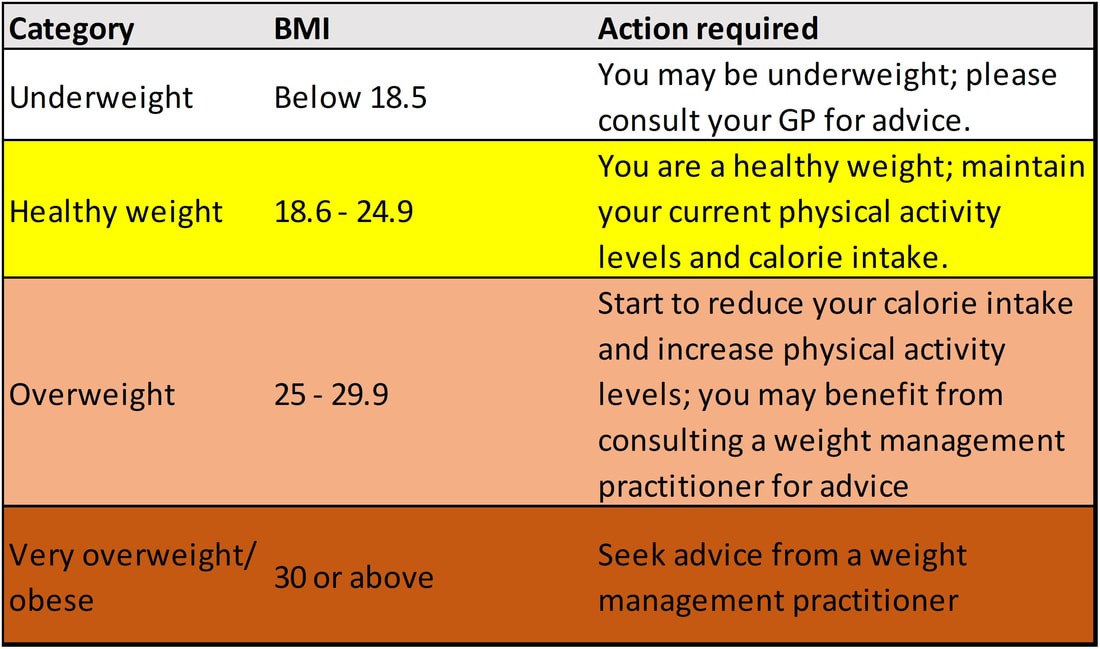
What do we mean by a healthy weight?
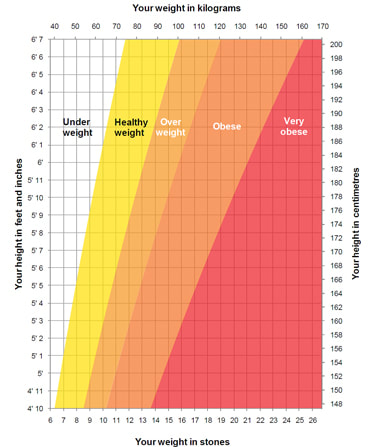
There are two easy tools we can use to help identify this: one useful method is to calculate your Body mass Index (BMI) which gives a number based on how your bodyweight relates to your height (although comes with some limitations) and another calculation based on your waist circumference (WC).  Although these tools are useful in providing a guide it is important to consult your GP or MS nurse if you are concerned about your weight; there are various caveats (detailed below) which mean that these tools are not suitable for everyone. ​
​
​1. Body Mass Index (BMI)
​BMI can be assessed using this chart and is calculated by:
1) Measuring your height in metres and weight in kilograms (both without shoes)
2) Multiply the figure for height by itself
3) Divide your weight in kilograms by the answer noted in the previous step.
Picture
​Or use this chart for a quick reading...
Picture
(Chart references below)

​Limitations of the BMI model

​Classifying weight into a category according to BMI is a useful guide, however does have limitations:
  • It is suitable for Adults over the age of 18; it is not suitable for use with children
  • It does not apply to pregnant women
  • It is not suitable for use with athletes or the very athletic

2. Waist circumference (WC)
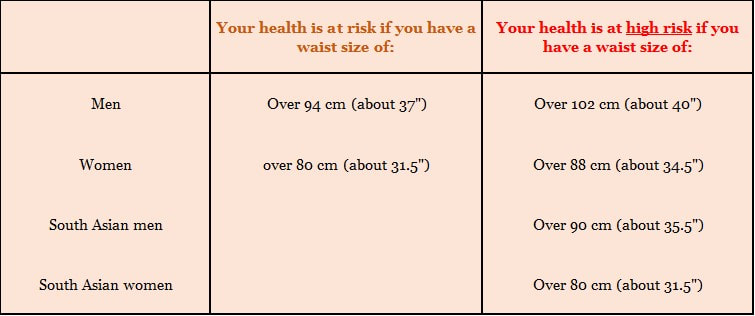
​Your shape - indicative of where you carry excess weight - can also indicate your health risk.  Carrying excess weight around the middle can increase the risk of developing coronary heart disease, high blood pressure and diabetes. 

You can easily assess whether your shape is putting you at increased risk by measuring the circumference of your waist by following the handy tips from the British Heart Foundation below.

At present guidelines exist for people of European and Asian ethnicities while data for other ethnic groups is not available; if you are not of Asian background current recommendations indicate that you should follow guidelines for European men and women.  Separate guidelines exist as data shows that individuals of Asian ethnicity are more likely to have a higher proportion of body fat to muscle compared to the rest of the population.  People of Asian background tend to carry this fat around their middle meaning that they are at greater risk of developing problems including diabetes and coronary heart disease at a lower waist size than Europeans.

However, no matter what your ethnic background it is important to remember that the measurements below are a guide.  If you are unsure please consult your doctor who will be able to make an individual assessment of your overall health risk based on your individual risk factors.
Picture
British Heart Foundation (BHF) guidelines for waist measurement
​(Bear with me, I'm not teaching you to suck eggs here; there are some useful notes...)
1. Find the point halfway between the bottom of your ribs and top of your hips; this will probably be in line with your tummy button or slightly higher.  Measure yourself around the middle point.  Remember to start at the lowest end of the tape measure and try to relax and not breathe in!

2. Check your measurement on the chart below; it is recommended that men use the metric measures (cm) while women use imperial measures (inches).  ​
Picture
​Source: Source: British Heart Foundation (2011). 'Session 13 sheet: Waist measurement instructions' (available online at www.bhf.org.uk)

And finally...!
​To reiterate for a final time (this blog is getting a bit long, apologies) please consult your GP or MS nurse if you have concerns about your weight; as I said earlier - it's not as simple as just eating a bit more or less, there could be other underlying conditions responsible for weight loss/gain.  
​​
As always, the last word from me...Do let me know if you have found this post helpful; use the icons below to send me an email; join me on Twitter or send me a message through the contact page on the website, I'd love to know what you think.
Picture
References:
Active IQ (2016) ‘Section 7: the importance of healthy eating’ in Fitness instructing (gym). Active IQ Ltd: London
British Heart Foundation (2011) ‘Session 13 sheet: waist measurement instructions’. Available online at: https://www.bhf.org.uk/heart-health/preventing-heart-disease/managing-your-weight
British Nutrition Foundation (2016) ‘Healthy weight loss’: Available online at:  https://www.nutrition.org.uk/healthyliving/healthissue/healthy-weight-loss.html
MS Society (2017) ‘Managing your weight’.  Available online at:  https://www.mssociety.org.uk/managing-your-weight
MS Trust (2016) A_Z of MS; ‘Managing weight’.  Available online at: https://www.mstrust.org.uk/a-z/diet#weight
NHS Choices (2015) ‘height/weight chart’. Available online at: http://www.nhs.uk/Livewell/loseweight/Pages/height-weight-chart.aspx
Waters, P., (2014) ‘The complete guide to weight-loss’.  Bloomsbury: London
World Health Organisation (2017) Body Mass Index (BMI).  Available online at:   http://www.euro.who.int/en/health-topics/disease-prevention/nutrition/a-healthy-lifestyle/body-mass-index-bmi
Pictures by Pixabay unless noted specifically.

2 Comments

What if the answer was in our gut all along?

21/9/2017

1 Comment

 
What's all this fuss about our gut at the moment?
The suggestion that the bacteria naturally living (happily and relatively quietly) in out gut could contribute to our overall health and disease status began to emerge as a concept in around 2010.  It has begun to gather serious momentum over the last few years on social media with  'Insta-celebs' posting about the benefits of eating fermented foods to 'rectify' or 'calm' gut bacteria.  It is often discussed in relation to bowel conditions and food intolerances but for us there is a more interesting suggestion on how our gut bacteria may be heavily implicated in the development of autoimmune diseases. 

Picture
A quick word on terminology
This relatively recent upsurge in interest around the gut has inevitably piqued interest in the popular press and has muddied the water somewhat in terms of what exactly is being talked about.  I have seen the terms 'microbiota' and 'microbiome' used seemingly interchangeably in some popular press so in the interest of clarity:
  • Microbiota: the collection of microbes within a specific anatomical niche (eg the lungs,genitals or gut).  Over 70% of microbes (bacteria and viruses) within the body's total microbiota reside within the gut.   
  • Microbiome: all the genes derived from microbial processes occurring within the microbiota
This is not a hugely important point for the rest of this blog but having seen the terms applied rather haphazardly I felt it useful to make the initial distinction.
​
Where is our gut and what does it do?
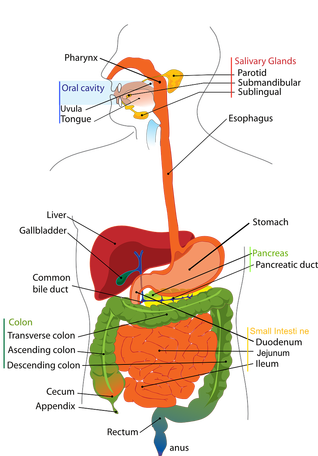
Our gut - the long tube also called the digestive tract -  runs from the mouth, down the gullet (oesophagus), through the stomach, small intestine, large intestine and anus,  The gut is concerned with breaking down, processing, digesting and absorbing nutrients from food.  Various organs are involved within this process from chewing and the action of digestive enzymes in the mouth; chemical breakdown and some absorption from the stomach; movement to the small and large intestine for further absorption and finally anything not absorbed by the body is expelled at the end of the tract (anus).  This is not meant as a biology lesson but illustrates how large the gut area is and how important it is in its functioning.
Picture
The gut microbiota
​The human gut plays host to trillions of bacteria and viruses which have tremendous potential to impact various facets of our health; they contribute metabolic functions, protect against pathogens and educate the immune system.
The composition of bacteria in our gut begins in utero and continues for the first 2-3 years of life.  Recent studies have shown both short and longer-term effects on the composition of the microbiota in relation to:
  • host genetics
  • age
  • external factors such as where and who we live with
  • the use of pre- and pro-biotics
  • exercise
  • diet

​The intricate composition of the gut has been described as our 'secondary genome' and is as individual as our genetic make-up.  It lies in close association with with the host's (our) immune system and together plays a role in exerting  various nutritional, metabolic and immunomodulatory functions important to our overall health and wellbeing.   
Picture
Links between gut microbiota and disease
​
Research into the gut microbiota to date has shown this bacteria implicated in the development of diseases including: 
  • type 1 diabetes 
  • irritable bowel syndrome (IBS)
  • inflammatory bowel diseases (IBD)
  • cardiovascular disease
  • autoimmune diseases (including MS)
The observation that such a large collection of microbes (more than 70%) exist within our gut compared to other potential environments within the body makes it understandable that there are links to bowel conditions given its location and function; however when we begin to consider type 1 diabetes and autoimmune diseases there is clearly another mechanism at play.

What do we currently understand about the possible implication of the gut in the mechanisms of these diseases?
The combination of different types of bacteria was shown to be imbalanced in individuals with these diseases.  Some studies have shown this imbalance to be considerable in patients with MS with considerable under-representation of some bacteria and over-representation of others.  The microbiota can be deeply influenced by external factors as mentioned earlier in this article, and its aim is to maintain equilibrium between the host (us) and the environment thus keeping an optimal balance of different bacteria.
Given the location and function of the gut diet has become the focus of much exploration.  Dietary intake has been shown to be a key determinant in microbiome composition and diversity; this may have clinical implications here as evidence suggests composition of the microbiota in early life may be responsible for the programming of gastrointestinal , immune and neural development: key features in the diseases mentioned above.   


How could this be relevant to my MS?
This may be pertinent here as when balance is maintained between the microbiome and metabolism of the host, all is well; when imbalance occurs inflammation and infection can result.  As we know, in MS it is inflammation that is responsible for damage to the central nervous system; the symptoms we may present and the resulting build-up of disability.
I would love to tie this post up with a great dramatic conclusion (which might have been what you were waiting for - apologies), however this research in humans is at a relatively early stage so the conclusions aren't there yet.  The hope is that in the future it can be used to develop further theraputic interventions and understand more about the fundamental mechanisms of disease development and progression.     

A cautionary word (disclaimer)
This post began as an expected exploration of how diet can influence the gut (I'm aiming to alternate between diet and exercise each week in the blog posts).  However this has turned into something much bigger that I have been interested in but haven't explored until now.  I have no history within this area and I'm a little concerned that it is venturing out of what I set this blog up to share: ie things I know a lot about.  So to be very transparent, this is a brief overview of some of the latest research papers; it is not a comprehensive literature review of all the research and conclusions produced to date.  All the papers I have used to write this are referenced below so if you are hoping to use this for anything other than your own interest please consult one of the researchers working in the area; as always, consult an expert - this time, it's not me.   
Picture
References:
Adamczyk-Sowa,M. et al., (2017) ‘Does the gut microbiota influence immunity and inflammation in multiple sclerosis?’, Journal of Immunology Research, [epub ahead of print] doi: 10.1155/2017/7904821
Donovan, S.M. (2017) ‘Introduction to the special focus issue on the impact of diet on gut microbiota composition and function and future opportunities for nutritional modulation of the gut microbiome to improve human health’, Gut Microbes 8(2): 75-81
Glenn, J.D. and Mowry E.M., (2016) ‘Emerging concepts in the gut microbiome and multiple sclerosis’ Journal of Interferon and Cytokine Research 35(6): 347-357
Jangi, S. et al., (2016) ‘Alterations of the human gut microbiome in multiple sclerosis’, Nat Commun28(7): 1-11
Newland, P.K., Heitkemper, M. and  Zhou, Y. (2016) ‘The emerging role of the gut microbiome in adult patients with multiple sclerosis’, J Neurosci Nurs 48(6): 358-364
Shailesh, S.K., Freedman, S.N and Mangalam, A.K. (2017) ‘Gut microbiome in multiple sclerosis: the players involved and the roles they play’, Gut Microbes July 11: 1-9 [epub ahead of print] doi: 10.1080/19490976.2017.1349041


1 Comment

Can antioxidants help to protect thE CNS from damage caused by MS?

7/9/2017

0 Comments

 
​The idea that antioxidants could be helpful in limiting the damage that MS causes in the central nervous system (CNS)  has been suggested by some researchers exploring the action of oxidants (or free radicals) on disease.This suggestion may seem a little far-fetched on the surface until we consider that antioxidants have been shown to help protect the body against heart disease and some cancers; so it's a relatively short jump - once we understand how oxidants can damage the body - to the idea that they could be helpful in limiting damage in MS.  
​   
What are oxidants and what is their relevance in MS?
Picture
Oxidants are highly reactive chemicals which bind to - and change - the structure (and therefore function) of specific structural components of the body.  Essential fatty acids (EFAs) are of particular interest for us with MS as they form much of the structure of cell membranes, myelin and DNA, and are highly vulnerable to damage from oxidants through an oxidation process.  
Oxidants have therefore been suggested to attack the EFAs within the CNS which may be responsible in part for the damage caused in MS.      
Oxidants are found in many every-day items including alcohol, tobacco smoke, fried foods, pesticides and air pollution; by their very nature it is difficult (even impossible) to avoid them so some research has focussed now on how we can protect ourselves and theoretically limit the damage caused by oxidants.  
​
      
​
The role of dietary antioxidants in protecting against oxidative damage
Research has focussed on the protective nature of antioxidant vitamins to guard against oxidative damage to the body; if you're interested, this oxidation is the same process responsible for structural degereration of the body as we age, so antioxidant vitamins have many other, more aesthetic, uses within the body too!
The antioxidant vitamins are vitamins A,C and E.
​

The antioxidant vitamins
​
​1. Fat-soluble vitamins

Vitamins A and E are fat-soluble vitamins so can be stored in the body for some time and do not need to consumed daily.
Vitamin A
Picture
​Vitamin A is responsible for:
  • Maintaining retinal health (vision)
  • Stimulating gastric juices for protein digestion
  • Vital roles in bone building
  • Protecting against degenerative damage and damage from pollution
Vitamin A is found in :
  • Pasture-reared eggs
  • Seafood
  • Cod liver oil
  • Liver and other organ meats

Vitamin E
Picture
Vitamin E is responsible for:
  • Aiding in blood circulation
  • Helping with tissue repair and healing
  • Maintaining structural integrity of cells
  • Slowing ageing process
  • Helps to protect against cancer and heart disease
Vitamin E is found in:
  • Wholegrains
  • Raw nuts and seeds
  • Dark green leafy vegetables (eg kale, spinach)
  • Organ meats
  • Unrefined vegetable oils

​2. Water-soluble vitamins
Water-soluble vitamin cannot be stored in the body in any great quantity so much be consumed as part of the diet on a daily basis.

Vitamin C
Picture
Vitamin C is responsible for:
  • Immune system function
  • Aiding in tissue growth and repair
  • Vital role in formation of collagen and connective tissue health
  • Strengthening capillary walls
  • Supports adrenal gland function
Vitamin C is found in:
  • Fresh fruit
  • Fresh vegetables
  • Some organ meats

Individual vitamins and minerals are great, but... The importance of a whole-diet approach
Picture
A word of caution; individual vitamins and minerals are a very important part of a healthy diet however it's important to remember that we eat a varied diet made up of multiple combinations of different foods; so whilst these vitamins are key to the various important processes be mindful of not excluding other important vitamins and nutrients too.
​  
​
A cautionary word about antioxidants
​
Despite the seemingly common-sense theories of antioxidant use in MS (as explained above) there is not enough conclusive evidence published as yet to recommend their use as a preventive treatment for MS.
Much in the same way as with 'special diets' promoted to help in MS as detailed on the website  ( http://www.healthylifems.com/the-diet-debate-in-ms.html )  this same advice holds true; there is likely no consensus published because there is not enough evidence available.  This is an area still being researched so it will be interesting to see what (if any) further advice emerges in the next few years.

A less-cautionary word about antioxidants!
Picture
​One thing that we do know about general health, regardless of their role in MS, is that antioxidants are important in the specific functioning of the body and the prevention of certain other diseases mentioned above: some cancers and coronary heart disease.  The advice about the consumption of foods rich in dietary antioxidants underpins the UK Department of Health's '5-a day' message to consume at least five portions of fruit and vegetables per day for general health and wellbeing, so regardless of whether research in the future does show antioxidants to be beneficial as a treatment (or partial treatment) for MS it is important that we all, regardless of our MS, consume a varied diet with a selection of different fruits and vegetables each day.
​

Picture
A helpful piece of advice given by many dietitians is to make sure that we 'eat the rainbow' ie eat a variety of multi-coloured fruits and vegetables each day to maximise vitamin and mineral intake.  This image taken from the British Heart Foundation illustrates this advice nicely although they are quick to point out that overall daily intake of fruit and vegetables is more important  than focussing on the range of colours, but I think it is a helpful reminder when preparing meals to think to yourself 'if there is enough colour on my plate'?  ​
​
Final words from me
Have a look at my website to understand more about how diet can help us manage some of our specific MS symptoms.
Do let me know if you have enjoyed this post and found it useful.  Send me an email (address below); send me a tweet (@healthylifems) or send me a message through the contact page on the website, I'd love to know what you think.
​Diana xx


Picture
References: 
Active IQ (2016) ‘Applying the principles of nutrition to a physical activity programme: antioxidants’ in Personal Training Manual.
Department of Health (2012) Manual of Nutrition. 12th ed. The Stationary Office; London
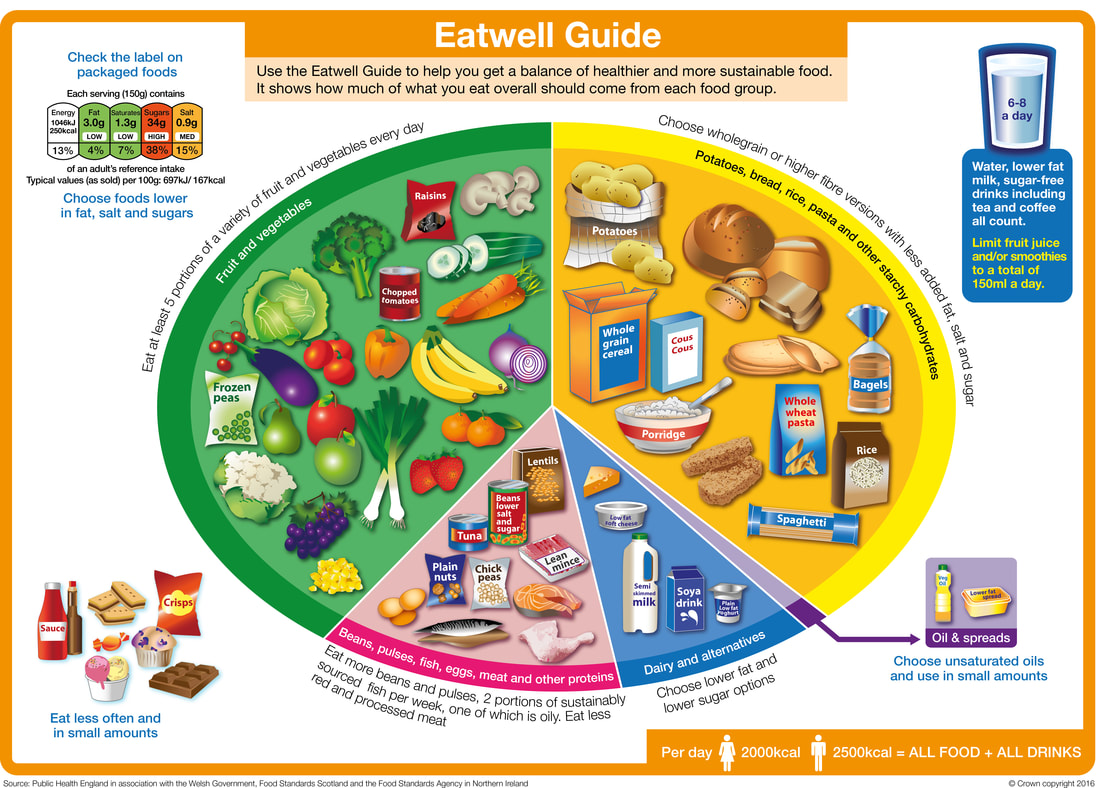
Department of Health (2017) The Eatwell Guide. Available at: https://www.gov.uk/government/publications/the-eatwell-guide   
Farinotti M, Vacchi L, Simi S, Di Pietrantonj C, Brait L, Filippini G. (2012) ‘Dietary interventions for multiple sclerosis’. Cochrane Database of Systematic Reviews. Issue 12. Art. No.: CD004192. DOI: 10.1002/14651858.CD004192.pub3
Garrow, J.S., James, W.P.T. and Ralph, A. (2000) Human Nutrition and Dietetics. 10th ed.  Churchill Livingston; London
Gibney, M. J., Margetts, B.M, Kearney, J. M and Arab, L. (2012) Public Health Nutrition. Blackwell Science; edited on behalf of The Nutrition Society: London
MS Society (2016) Diet and Nutrition booklet: available at https://www.mssociety.org.uk/ms-resources/diet-and-nutrition-booklet
0 Comments

    Archives

    December 2017
    November 2017
    October 2017
    September 2017
    August 2017

    Categories

    All
    Diagnosis & Welcome
    Diet
    Exercise
    Lifestyle

  • Home
  • About me
  • Lifestyle and MS
    • What is MS? >
      • Types of MS
      • What causes MS?
      • Symptoms of MS
      • How is MS diagnosed?
      • How is MS treated?
    • Stress and MS
    • Smoking and MS
    • Healthy weight >
      • What is a healthy weight for me?
    • Alcohol and MS
    • Sleep and MS >
      • Sleep hygiene tips from the MS Trust
    • Importance of hydration
  • Keeping active
    • Latest MS-specific physical activity guidelines
    • Benefits of exercise >
      • UK Physical Activity Guidelines
    • Components of physical fitness
    • What sort of 'exercise'?
    • Exercise for managing symptoms
    • Exercise and relapse
    • Tips for exercising with MS
  • Diet
    • What is a healthy diet? >
      • 7 tips for a balanced diet
      • What is a portion?
      • 5 tips from the MS Society
      • Diet to reduce risk of further diseases
    • The diet debate in MS >
      • 'Best Bet' diet
      • Overcoming MS (OMS)
      • SWANK
      • Wahls protocol
    • Diet to manage symptoms
    • Dietary supplements >
      • Vitamin D
      • Vitamin B12
      • Essential Fatty Acids
    • Tips for cooking with MS
  • Blog
    • Blog posts (PDF)
  • Contact
    • Useful resources
Picture
HOME
ABOUT ME
LIFESTYLE
HYDRATION
DIET
SLEEP
CONTACT
ALCOHOL
STRESS
BLOG
SMOKING
KEEPING ACTIVE
RESOURCES
DIET & SYMPTOMS
HEALTHY WEIGHT
ACTIVITY & SYMPTOMS
Copyright 2020  HealthyLife MS.  All rights reserved.
PwMS: persons with MS